
Overeating on TV also influences the type of programme watched. Avoid unnecessary excess weight and eat properly in front of the screen

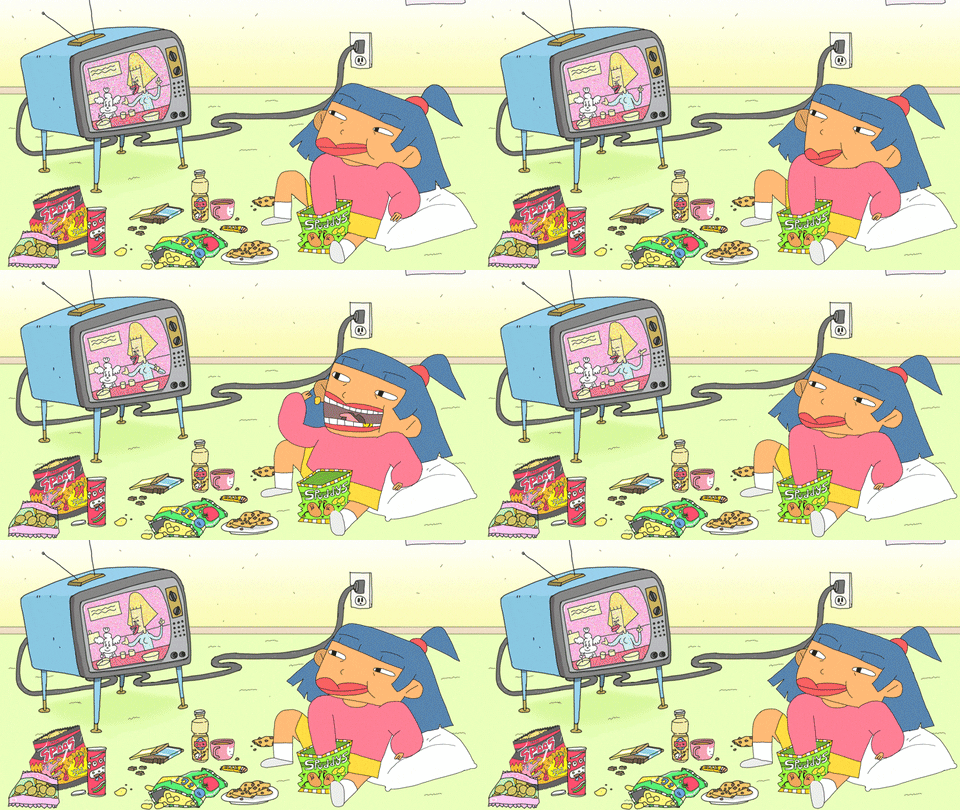
Have you ever eaten dinner with a fork in one hand and a TV remote in the other? If that wasn't your normal habit, 2020 has probably changed that. And watching TV at meals is most likely no longer limited to dinner. As a result of coronavirus measures, television has become an all-day companion for many people. For a while it is a backdrop, for a while it is a distraction, and in some cases people even reward themselves for the work they do with, for example, one episode of a soap opera. And they also use the time to eat. However, as much as television can help to improve one's mood or simply take one's mind off everyday problems, the moment food consumption comes into play, the problem is created...
Overeating, weight gain, but also zero taste sensations are all associated with eating in front of the TV screen. What's more, different types of programmes can even influence how much you eat. So, as psychologist Susan Albers explains, "it's okay to have a snack in front of the TV sometimes, but when it becomes a repetitive pattern or when you cognitively link food and TV watching, it becomes an unhealthy practice." "In front of the TV, one loses all other attention, does not enjoy the food because one is constantly distracted, and, moreover, it satisfies the cravings less. Classically, there is also a loss of satiety and a loss of awareness of how much has actually been eaten," adds Albers. So if an episode of a show lasts 45 minutes, you can eat for three quarters of an hour...


Whether we like it or not, dining in front of the TV is simply a common reality. But not everywhere. According to Dr. Sophie Mort, a clinical psychologist, it's actually a cultural specificity. "In some countries, eating is an event, but in America, for example, and in many other parts of the world, it's much more complicated. People often see food as a 'guilty pleasure' and so they feel bad. Having the TV on can effectively take the mind off food," he thinks. Besides, he adds, Western culture is based on productivity, so few people don't do several things together. After all, why devote special time to eating when that time can also be spent watching your favourite show?
How does the content we watch affect what and how we eat?
Quite interestingly then, what we watch also affects not only our appetite, but also our digestion. The biggest problem then is that it is the suspenseful programmes that stimulate appetite. "A car chase, for example, can really get the viewer's heart pumping and the body flooded with fight-or-flight chemicals - adrenaline and cortisol. And these substances slow down your metabolism and literally ensure that the food you eat turns into fat around your waist," then describes Lori Hammond, who specializes in weight loss.
 Zdroj: Giphy
And unfortunately, it seems that today's movies and TV shows tend to be more suspenseful than ever. Situations and events change with a lightning speed that changes in life don't usually come with. Yet it is precisely the fictional and rapidly changing plot that signals to the brain that it is in a completely new environment, to which it must adapt. "It is as if the brain has gone into emergency mode, where it prepares us for the potentially required action through the activation of the parasympathetic nervous system," thinks psychologist Glenn Livingston.
According to Livingston, most of today's usual plot lines and twists (nudity, chases, explosions, tense situations) put the audience's brain on high alert. Subconsciously, this leaves one wondering how one would escape, what one's options for action are, etc., but this keeps one in a very specific mode that directly lends itself to mindless consumption of anything. The result is then more mindless munching and less actual enjoyment of the food consumed.
How to eat properly (in front of the TV)
While it's clear that mindless eating is probably inherent in most of us, the good news is that it is possible to watch TV and eat "healthier". But it also requires a certain amount of willpower. So it should go without saying that you don't eat during a movie - once the commercials start, that's the time to turn down the commercials and eat dinner. If you are watching a programme that is not interrupted by a commercial break, interrupt it yourself. Eat in peace and continue watching. Otherwise, you won't enjoy the show or the meal.
In addition, research shows that if you give your food the attention it deserves, you will reduce the amount of food you consume. Meanwhile, some experts say it's ideal to attend to your food ideally at the table - so you should also put the "seat time habit" on ice. Of course, even less committed natures are not necessarily doomed to literally inhale a whole duck on oranges in front of the TV and not even notice.
 Zdroj: Giphy
So the basic rule for eating in front of a TV/computer screen is to set limits. If you like to snack while watching a movie or TV show, sip a certain amount onto your plate/bowl and don't increase the amount. Similarly, you can curb a problematic habit by limiting your TV viewing (in practice: instead of watching one whole series of a TV show, you can enjoy two episodes and then do other - healthier - activities the rest of the time).
Then, as Dr Mort summarises, people should start to live meaningfully and give food their full attention. Unfortunately, what society tells us (and what it considers the standard) is basically the opposite. This is also why so many people eat and drink in front of a computer screen. Everyone is so busy with work that they don't even make time for food. So the basic rule should be to be mindful. In fact, as another expert in the psychology of eating and nutrition summarises, the right way is simply to be in control and feel good. So if you sit down to a rerun of Friends or The Big Bang Theory with dinner on your plate and are convinced that it will make you relax and feel better, it's no problem. But it shouldn't become a regular (daily) habit...


